 Emergency Call
  Monday to Friday - 08:00 - 20:00


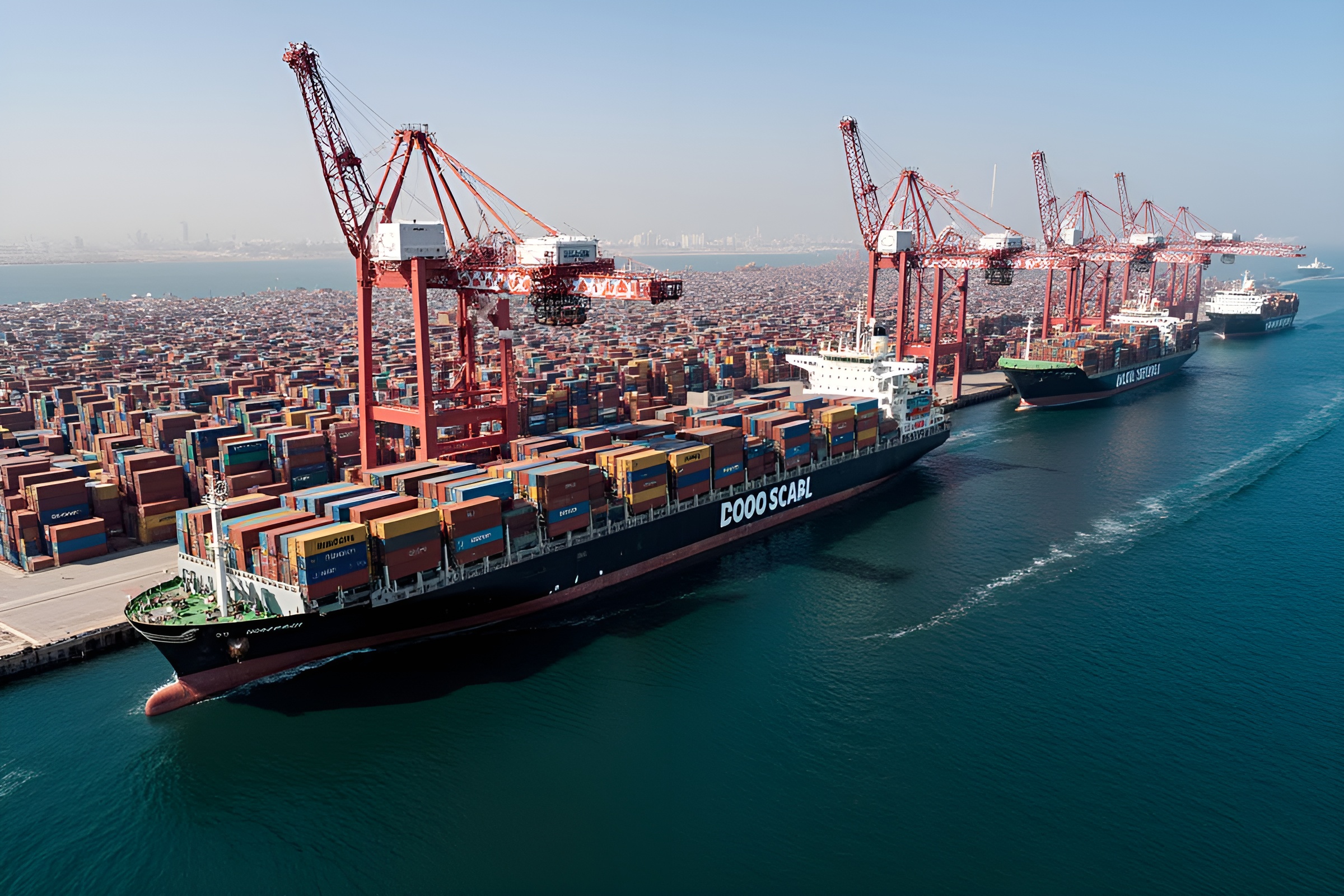
Many founders scale internationally faster than their structure evolves.
At first, everything sits inside one company:
- UK clients
- UAE operations
- international contractors
- intellectual property
- retained profits
- investment activity
Eventually the business expands across:
- multiple jurisdictions
- multiple tax systems
- different banking environments
- international markets
- global operational teams
But the structure underneath never changes.
That is usually when complexity starts turning into exposure.
This is why sophisticated founders increasingly build hybrid structures combining:
- UAE entities
- UK companies
- offshore jurisdictions
- international holding arrangements
Not because complexity is attractive.
Because international businesses eventually require international structuring.
Most Founders Think “Offshore” Means One Company in One Jurisdiction
That is one of the biggest misunderstandings in modern international structuring.
Strong cross-border structures are rarely built around one offshore company doing everything.
Instead, sophisticated structures often separate:
- ownership
- operations
- intellectual property
- investment activity
- regional expansion
- retained profits
- international subsidiaries
across multiple jurisdictions with different functions.
This creates operational separation and strategic flexibility.
The goal is not simply “moving offshore.”
The goal is building a structure that matches how the business actually operates internationally.
What Is a Hybrid Structure?
A hybrid structure combines entities across different jurisdictions, each designed for a specific commercial purpose.
For example:
|
Jurisdiction |
Typical Function |
|
UAE HoldCo |
Group ownership and strategic control |
|
UK OpCo |
UK operations and trading |
|
Offshore Entity |
Asset holding or international investment activity |
|
Regional Subsidiaries |
Local market operations |
Each entity serves a distinct role inside the broader group structure.
This creates:
- clearer governance
- operational separation
- scalability
- risk management
- international flexibility
The strongest structures usually look commercially logical rather than artificially tax-driven.
Design a Cross-Border Structure Around How Your Business Actually Operates
At Evolve Tax, we help internationally scaling founders design hybrid structures aligned with commercial growth, governance, and operational reality across multiple jurisdictions.
Because international businesses rarely scale efficiently through domestic structures alone.
Why Founders Combine UAE, UK & Offshore Entities
Each jurisdiction may serve a different purpose depending on:
- operational requirements
- investor needs
- international expansion
- governance planning
- asset protection
- commercial substance
- regional strategy
For example:
A founder may use:
- a UK company for British trading activity
- a UAE holding company for regional and international ownership
- offshore entities for long-term investment structures
- separate subsidiaries for local market expansion
The structure itself becomes modular.
That flexibility can become extremely valuable as businesses grow internationally.
The “Everything Through One Company” Problem
Many founders initially operate through one company because it feels simpler.
But as international complexity increases, that structure often creates:
- concentrated liabilities
- governance confusion
- tax inefficiencies
- operational overlap
- cross-border compliance issues
- investment limitations
For example:
- UK operational risks may expose international assets
- ownership structures become harder to manage
- expansion into new markets creates administrative friction
- investor due diligence becomes more difficult
Hybrid structures help separate:
- ownership
- liabilities
- jurisdictions
- commercial activities
That separation becomes increasingly important at scale.
Why Sophisticated Structures Focus on Function, Not Just Tax
Weak structures are often designed around:
- tax headlines
- internet advice
- low-tax jurisdictions
- superficial offshore setups
Strong structures are usually built around:
- operational functionality
- governance
- scalability
- commercial rationale
- international flexibility
This distinction matters enormously.
Because tax authorities increasingly assess:
- why the structure exists
- whether it has commercial credibility
- how entities function operationally
- whether governance supports the arrangement
A structure that lacks operational logic may create more scrutiny than protection.
Review Whether Your Current Structure Matches Your International Growth
If your business now operates across multiple jurisdictions but still relies on a domestic setup, it may be time to review whether the structure still supports your expansion properly.
Evolve Tax advises founders on UAE, UK, and offshore hybrid structuring tailored to long-term cross-border growth.
Why Substance Matters in Hybrid Structures
One of the biggest misconceptions about offshore planning is assuming more entities automatically create stronger protection.
They do not.
Poorly designed structures often fail because:
- operational behaviour contradicts legal structure
- management activity remains unclear
- offshore entities lack commercial logic
- governance processes are weak
- documentation becomes inconsistent
Strong hybrid structures require:
- clear operational roles
- commercial rationale
- documented governance
- management consistency
- genuine substance
This is especially important in structures involving:
- UK tax exposure
- UAE operational activity
- offshore holding arrangements
- international revenue streams
Substance matters because authorities increasingly examine operational reality rather than incorporation optics.
Why Hybrid Structures Appeal to Scaling Founders
As businesses mature internationally, founders often need structures capable of supporting:
- acquisitions
- investor entry
- regional expansion
- intellectual property ownership
- international hiring
- global revenue streams
- asset protection
- succession planning
A single-company domestic structure may eventually become too restrictive.
Hybrid structures create flexibility across:
- ownership
- operations
- investments
- jurisdictional exposure
That flexibility can become strategically valuable long term.
Smart Founders Design Structures Before Complexity Forces Them To
Many businesses only restructure after:
- rapid growth
- investor pressure
- tax scrutiny
- operational inefficiencies
- international expansion issues
At that point, restructuring usually becomes harder.
Sophisticated founders typically plan earlier because they understand:
- growth creates complexity
- complexity creates exposure
- structure creates control
The strongest hybrid structures are usually proactive rather than reactive.
Frequently Asked Questions (FAQs)
1. What is a hybrid business structure?
A hybrid structure combines entities across multiple jurisdictions for different operational, ownership, or strategic purposes.
2. Why do founders combine UAE, UK, and offshore entities?
Different jurisdictions may support different functions such as operations, ownership, investment activity, or international expansion.
3. Are hybrid structures only about tax reduction?
No. Strong hybrid structures are usually designed around governance, scalability, risk separation, and operational flexibility.
4. What role does a UAE company usually play in hybrid structures?
A UAE entity often acts as a holding company or regional management structure within the wider group.
5. Why is substance important in cross-border structures?
Substance helps demonstrate that entities genuinely perform commercial functions rather than existing purely on paper.
6. Can hybrid structures help separate risk?
Yes. Multi-entity structures can separate liabilities, ownership, operations, and assets across different jurisdictions.
7. When should founders consider hybrid structuring?
Usually when businesses begin operating internationally, expanding across markets, or increasing operational complexity.
Conclusion
As businesses expand internationally, domestic structures often become less effective at supporting operational complexity, governance, and long-term scalability.
That is why many sophisticated founders move toward hybrid structures combining UAE, UK, and offshore jurisdictions designed around operational separation, strategic flexibility, and international growth.
The goal is not simply adding offshore entities.
It is creating a commercially logical framework capable of supporting international operations without concentrating unnecessary risk inside one structure.
Because cross-border growth becomes significantly easier to manage when the structure evolves alongside the business itself.
Design Your Cross-Border Strategy with Evolve Tax
At Evolve Tax, we help founders, investors, and internationally scaling businesses design commercially robust hybrid structures across the UK, UAE, and offshore jurisdictions.
Whether you are:
- expanding internationally
- restructuring your group
- separating operational risk
- preparing for investment
- reviewing offshore exposure
- building a multi-jurisdiction structure
our specialists can help you design a scalable cross-border framework aligned with your long-term commercial objectives.
Speak With Our Team About:
- Hybrid UAE–UK structures
- Offshore governance planning
- International holding company strategy
- Cross-border operational separation
- Group restructuring
- International tax advisory
Schedule a Confidential Consultation Today
Visit Evolve Tax to discuss building a stronger international structure tailored to your business growth strategy.